






TL;DR
Bulk pricing often fails when discount tiers don't match how customers buy, savings aren't visible before checkout, or the incentive isn't strong enough to justify buying more. Fix it by setting thresholds based on real order data, displaying savings on product pages, and using price anchors that make the value clear.Customers often do not buy in bulk because the pricing incentive is not strong enough to change purchasing behavior. Unclear savings, poorly structured discount tiers, financial and operational concerns can limit the effectiveness of bulk pricing.
Successful volume pricing is about creating a compelling reason for customers to buy more while preserving profitability for your Shopify stores. In this guide, you'll learn why shoppers often ignore bulk offers, and how to structure quantity discounts that drive larger orders.
1. Understanding bulk pricing
1.1. What is bulk pricing?
Bulk pricing is a pricing strategy where the unit price decreases as customers buy larger quantities. The goal is to encourage bigger orders by making higher purchase volumes more cost-effective.
The price deduction can be offered in different formats, including:
- Quantity discounts: Customers receive a discount once they reach a specific purchase quantity
- Volume discounts: The discount increases as order volume grows
- Case pricing: Products are cheaper when purchased by the case rather than individually
- Pack pricing: Shoppers save money by buying products in packs or multi-unit sets
- Fixed-price tiers: Different quantity ranges have fixed unit prices
For ecommerce, bulk discounts can work well for consumables, supplies, wholesale and B2B orders, case packs, and items with frequent repeat purchases.
1.2. Minimum order quantity vs bulk pricing
Minimum order quantity and price breaks are often used together, but they solve different problems.
- Minimum order quantity sets a purchase requirement. Customers must choose a minimum quantity before they can place an order.
- On the other hand, tiered pricing models remain optional. Customers can buy any quantity, but larger purchases unlock better pricing.
2. How order quantity pricing affects Shopify stores?
Quantity-based pricing works best when it encourages customers to buy more than they originally planned. The price reduction on existing large orders does not guarantee better results. What you need to do is expand basket size while maintaining healthy margins.
However, poorly planned bulk discounts can create several challenges:
Rewarding purchases that would happen anyway
Some customers already buy in large quantities without an incentive. Too early pricing breakdown reduces profit but does not generate additional sales.
Setting quantity thresholds too high
Imagine a store may offer 15% off at 10 units, but most buyers purchase 2 units and have no reason to store 10. Shoppers are unlikely to raise the order size dramatically just to receive a discount. Instead, they will simply stick with their original sales plan.
Making savings difficult to understand
When pricing rules are unclear, customers may ignore the discount.
3. Why bulk pricing does not increase sales? (and solutions)
Bulk plans can look attractive but still fail to increase sales. When case pack pricing underperforms, the problem usually comes down to four factors: weak pricing logic, hidden savings, poor incentive fit, or missing price anchors.
3.1. Quantity tiers that do not match how customers buy
Pricing tiers should align with real shopping habits. Some merchants choose quantity thresholds based on margin targets alone, then wonder why customers ignore the offer. Research shows that quantity discounts are most effective when buyers see enough value in reaching the next milestone.
Well-structured quantity discounts can increase average order value by 10%-30%, depending on product type and discount strategy. When quantity tiers lack a clear connection to customer habits, they cannot create a stronger buying signal.
How to fix it
If you want to build effective price tiers, start with current average order quantity. If most customers buy two units, test the first tier at three or four units.
For B2B and wholesale buyers, quantity breaks should match common purchasing units. If they typically order cases of 12, make case pricing easy to understand and reserve deeper discounts for 24 or 48 units.
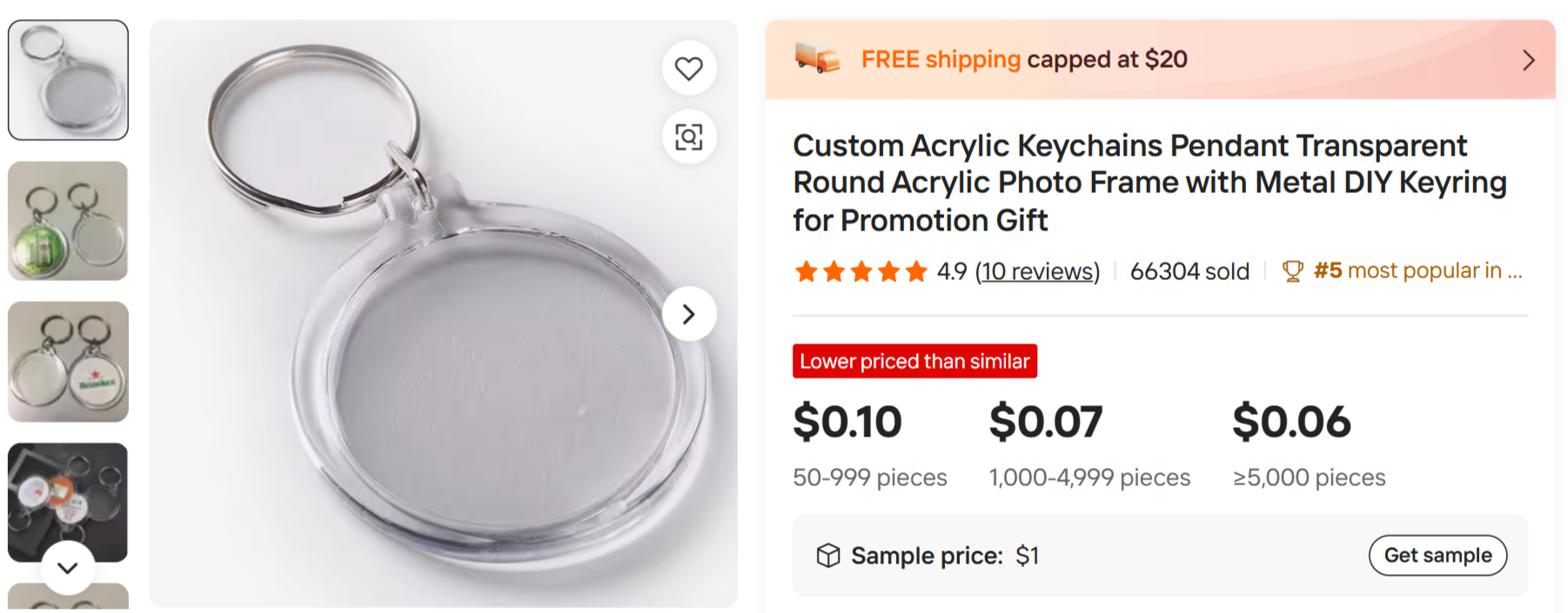
Wholesale buyers can choose different quantity tiers.
Remember to track the performance of pricing tiers. Unless they increase order quantity, average order value, or conversion rate, adjust the threshold or remove them.
3.2. Customers cannot see the value of buying more
Even a well-designed discount can fail when the savings are difficult to understand. Customers should be able to see what they save, how the unit price changes, and why adding more items is worthwhile.
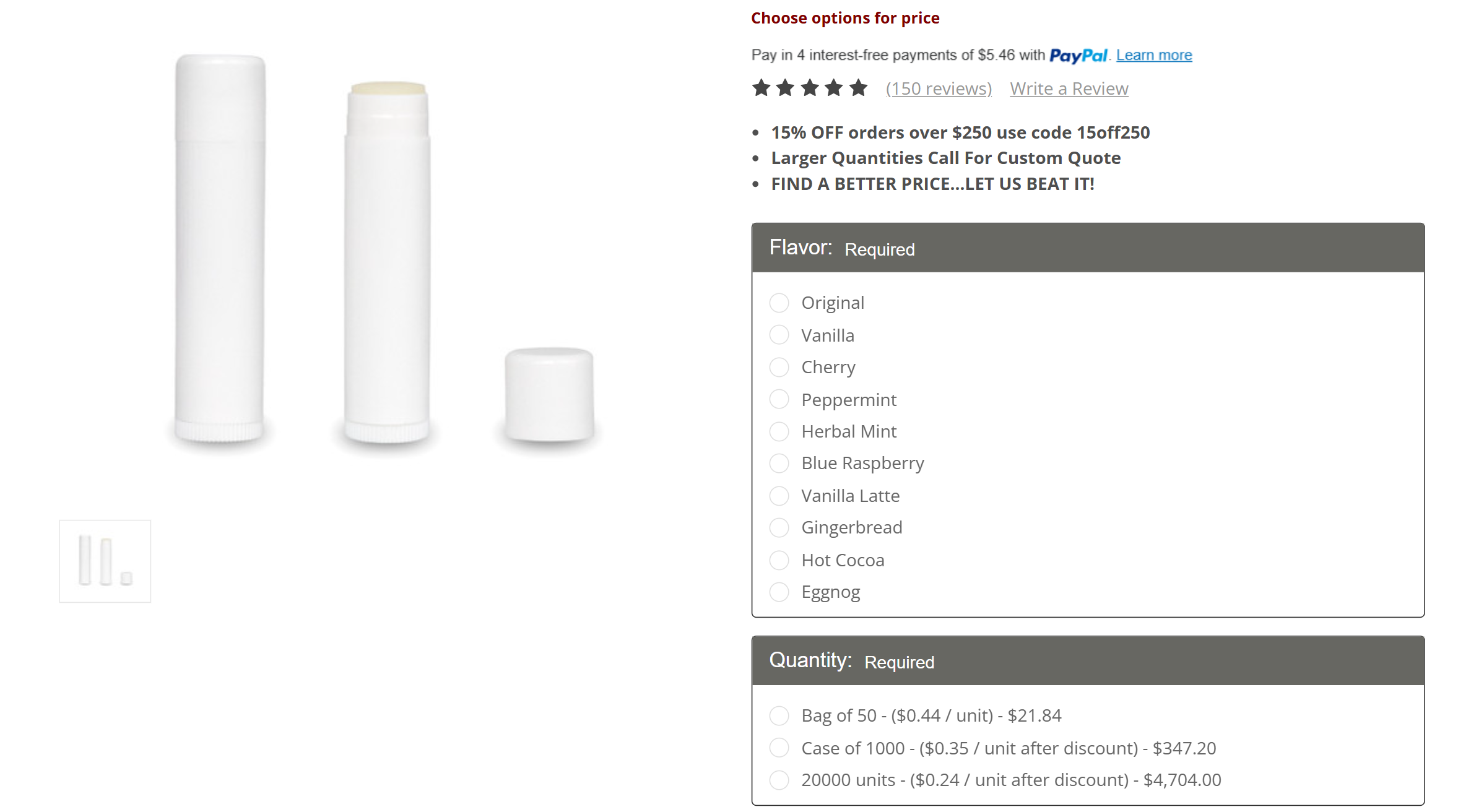
Show the total price, price per unit for any quantities on the product page.
A common mistake is revealing quantity discounts only at checkout. By then, most shoppers have already decided how many items to buy. Retailers who show total cost on the product page cut late drop-off by 22.4%. When savings and tier benefits are hidden, there is little motivation to add more items to the cart.
How to fix it
To improve results, make price breaks visible throughout the customer journey. Display them on the product page, in the cart, and anywhere quantity can be updated.
Describe the discount logic by direct language, such as:
- “Add 2 more units to unlock $16.50 per item.”
- “Case price activates at 12 units.”
Each tier should explain four key elements:
- the current unit price,
- the total savings achieved,
- how many units are needed to reach the next discount level,
- and the exact price at that next tier.
Shopify shop owners can apply a cart drawer to keep the buyer engaged while the order is still flexible.
3.3. The discount is not worth buying more
Many buyers avoid bulk purchases because the discount does not outweigh potential risks. Limited storage space, tight budgets, uncertain future demand, and concerns about excess inventory can all make expanding order size feel risky.
Holding extra inventory also comes with ongoing costs. Inventory carrying costs typically range from 20% to 30% of inventory value each year. More stock often means higher storage, handling, insurance, and cash flow costs over time. Nearly 4 in 10 small businesses cannot cover more than one month of operating expenses.
How to fix it
Effective volume pricing starts by identifying what prevents shoppers from buying more. They hesitate for several reasons, and each barrier requires a different incentive.
- When cash flow is the main concern, use subscriptions, installment payments, or reorder incentives to reduce the upfront commitment.
- When variety matters, apply bundle pricing instead of volume discounts.
- When shipping costs discourage conversion, offer threshold rewards such as free shipping tied to a minimum cart value.
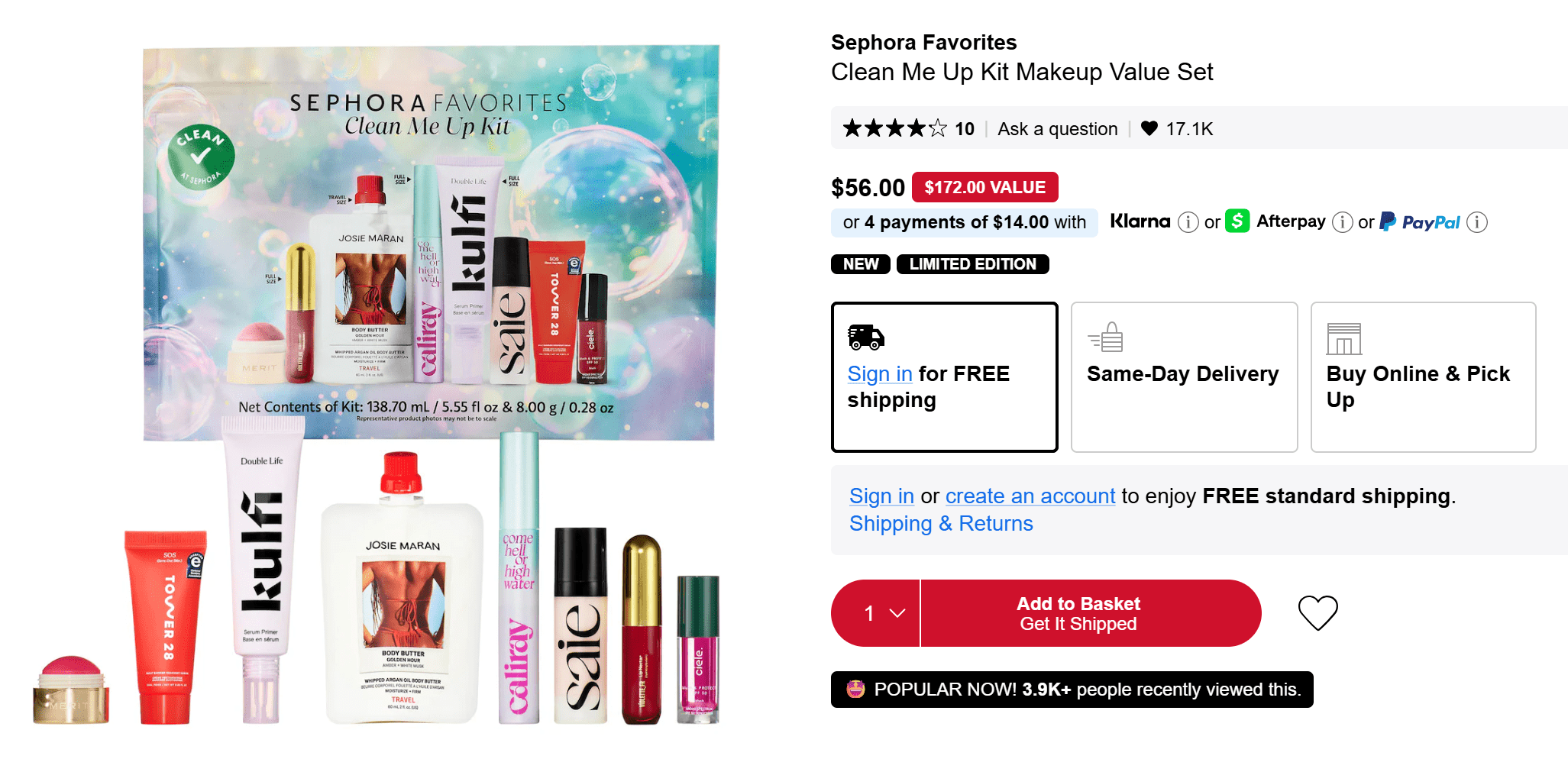
Choose subscription plans to unlock more perks.
3.4. Customers cannot see what makes the discount valuable
Many Shopify merchants display a discounted price but do not explain how much value customers are actually getting. Without an obvious comparison between standard pricing and quantity-based pricing, the savings seem too small or too uncertain to justify a larger purchase.
How to fix it
Clear comparisons make savings easier to understand. Useful reference points include:
- Original price and discounted price: Recognizes the reduction at a glance.
- Case value: Highlights the total value of buying a full case rather than individual units.
- Per-unit pricing: Shows how the cost per item decreases as quantity increases.
- Previous wholesale or contract price: Evaluates savings against familiar pricing.
The savings format can also influence buying decisions. Research found that for products priced above $100, customers often perceive greater value when discounts are presented as dollar savings rather than percentages. In bulk and wholesale sales, a message like "Save $48 per case" is usually more compelling than "10% off."
4. How to create quantity discounts without hurting margins
Set a minimum margin
Bulk discounts should never be based solely on product cost. Before setting discount tiers, calculate the full cost of fulfilling an order, including product costs, payment fees, packaging, shipping, returns... Every tier should maintain an acceptable contribution margin after those costs are covered.
Use actual order data
Review real shopping patterns to understand how purchasers already buy. These insights can help you create natural and achievable discount thresholds.
Compare profit before and after the discount
Focus on profit per order rather than revenue alone. Evaluate how much profit a typical order generates today and compare it with projected profit at each discount tier.
Test and measure
Start with a limited test based on a product category, customer segment, sales channel. Small-scale testing can easily identify profitable discount structures before expanding them across the entire store. Monitor average order value, order quantity, conversion rate, and gross margin to confirm that larger orders are generating stronger profits.
5. What to use instead of order quantity pricing
Volume discounts are not always the best way to increase revenue. Many customers prefer flexibility over lower unit pricing. When buying behavior does not support quantity discounts, you should consider several alternative pricing strategies to deliver stronger results:
5.1. Reorder incentives
Rather than focusing on a single order, reorder incentives motivate purchasers to come back and buy again. Businesses reward repeat purchase behavior with perks such as 10% off the next order within 45 days, loyalty credits, or replenishment reminders paired with a small discount.
Reorder incentives are a good fit for products customers buy regularly, including pet supplies, water filters, cosmetics, vitamins, and pantry staples. Many shoppers do not want to stock up for months at a time, but are willing to return every few weeks for convenience.
5.2. Subscription & Save
Subscription pricing encourages customers to commit to receiving products on a recurring schedule. Instead of placing a new order each time, buyers can choose a monthly or quarterly delivery plan based on usage patterns.
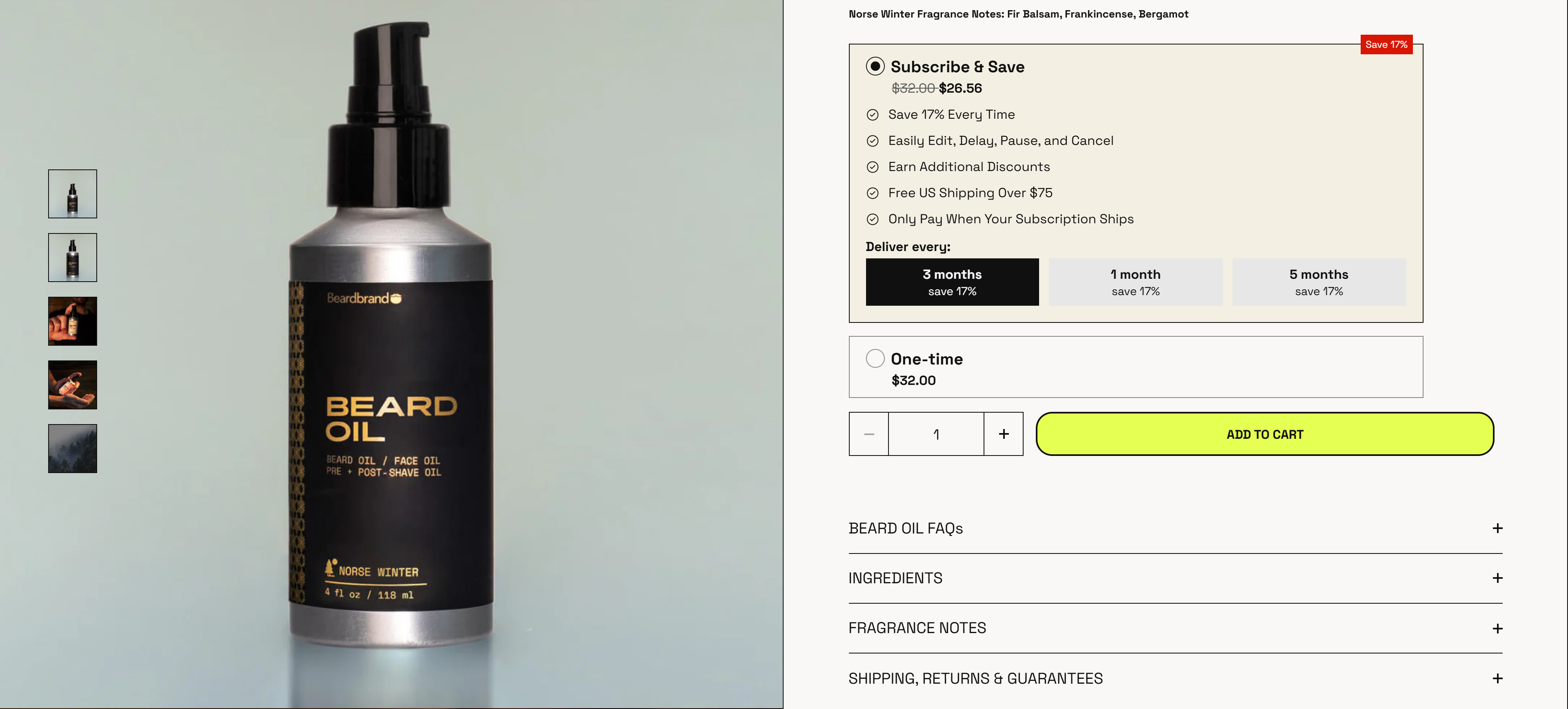
Choose subscription plans to unlock more perks.
Subscription & Save can be beneficial for both sides. Consumers enjoy convenience and savings, while online stores gain more predictable revenue and higher customer lifetime value.
5.3. Threshold rewards
Based on Goal Gradient Effect, threshold rewards drive higher cart values by rewarding shoppers who reach a qualifying amount. They perform well when purchasers are already close to the spending target. A shopper with $68 in the cart may be willing to add one more item to get free shipping at $75.
5.4. Customer loyalty program
Loyalty pricing rewards the long-term relationship between customers and the brand. Shoppers can receive exclusive perks after reaching a spending milestone, earning enough loyalty points, or moving into a higher membership tier.
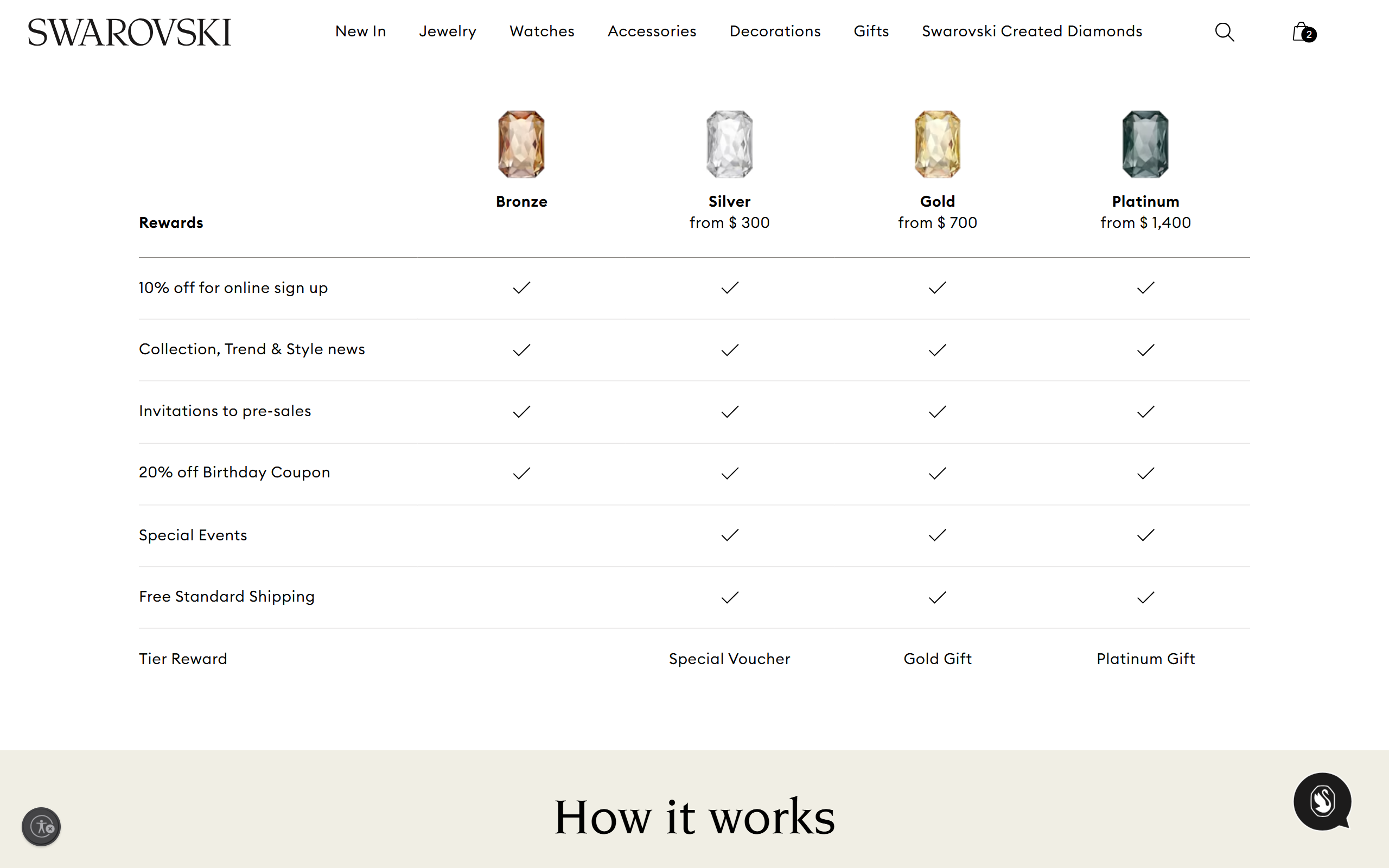
Each tier of Swarovski Club has different benefits.
Final thoughts
When case pricing fails to increase order size, you need to identify what limits shopping behavior. Once those barriers are understood, pricing becomes much easier to optimize.
The strongest bulk strategies are built to match with how customers evaluate value and make buying decisions. Done well, larger orders will become a natural outcome.
Frequently asked questions
1. When is bulk pricing most effective?
Volume-based pricing tends to perform best when customers regularly repurchase the same products and can comfortably buy larger quantities at once. Best use cases include replenishment items, wholesale purchases, case packs.
2. Why aren't customers using bulk discounts?
Customers may ignore bulk discounts when the offer does not fit how they normally buy. Limited storage space, cash flow concerns, uncertain demand, unclear savings can all reduce participation.
3. What are some alternatives to pack pricing?
When price breaks are not the right fit, businesses can encourage repeat purchases through subscription plans, reorder incentives, loyalty programs, product bundles, free shipping thresholds. These approaches can increase revenue without requiring a large upfront purchase.