






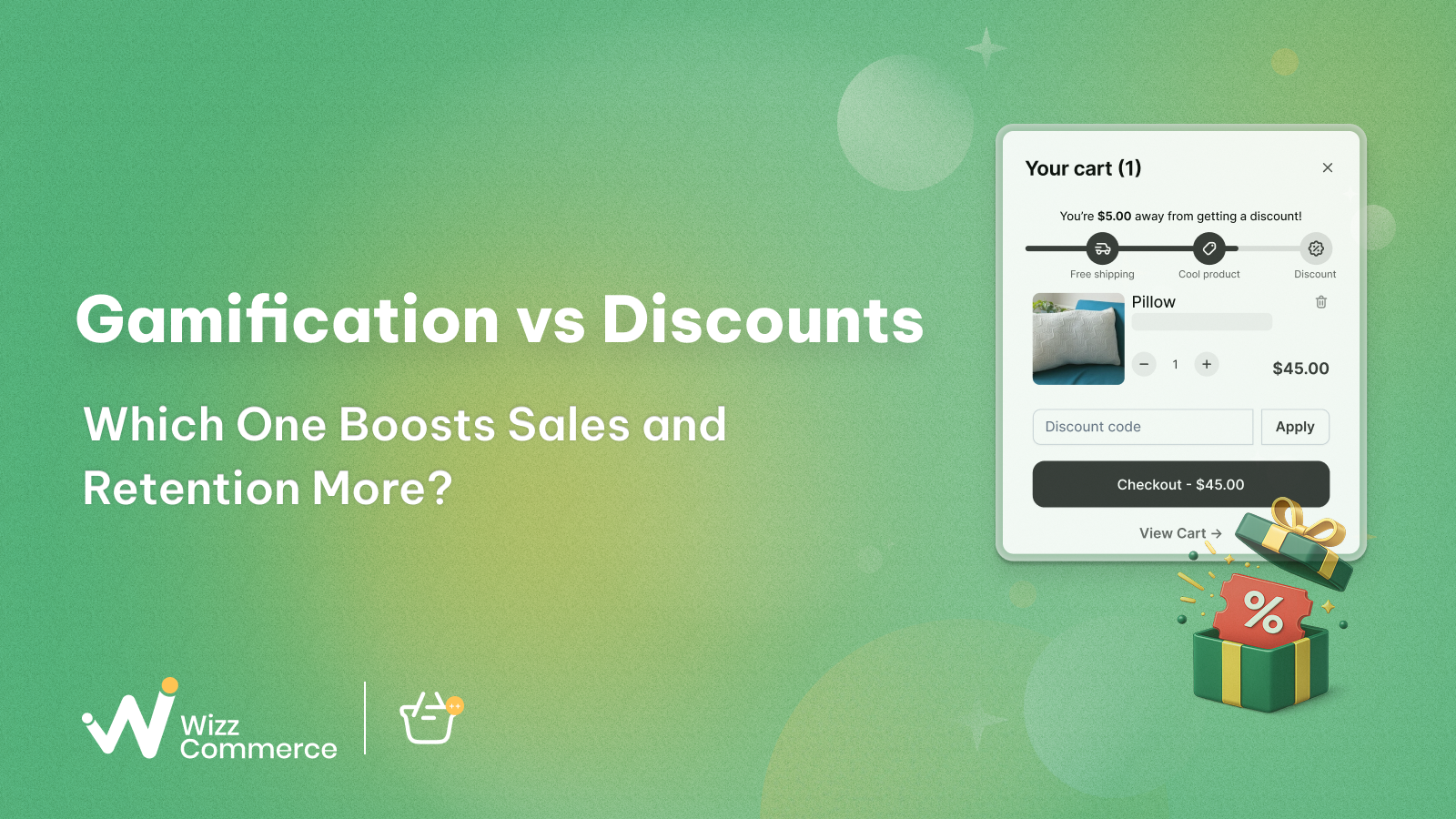
TL;DR
Discounts and gamification both influence buying decisions, but in different ways. Discounts work fast, a lower price reduces hesitation and pushes shoppers to act. Gamification takes a slower approach, building engagement through progress, rewards and interaction. Neither is universally better. Used together at the right moments, they cover what the other can't do alone.Gamification and discounts are two efficient strategies that influence how customers engage and decide. Promotional discounts rely on price cuts to trigger quick purchases. Gamified offers, instead, shape the experience through interaction, progress and rewarding moments. Both of them can boost revenue, yet many Shopify merchants are wondering which one motivates buyers more.
In this article, we will compare gamification vs discounts, explore how each one works, and help you choose the right approach to improve performance across your Shopify store.
1. Understanding about gamification
Gamification is the use of game design elements in a non-game environment. In eCommerce, this means adding game-like features into the shopping journey to encourage involvement and purchases.
- Spin the wheel: A simple interactive game where shoppers try their luck to unlock discounts or rewards. Lucky wheel also supports email capture and first-time engagement.
- Quiz games: Short quizzes assist shoppers to find products that match their needs and preferences.
- Loyalty programs: Reward systems turn everyday actions into points that can be redeemed later.
- Progress bars: Visual indicators display how close a purchaser is to achieving a reward.
- Competitions and challenges: Structured activities with clear goals invite customers to take part and earn rewards.
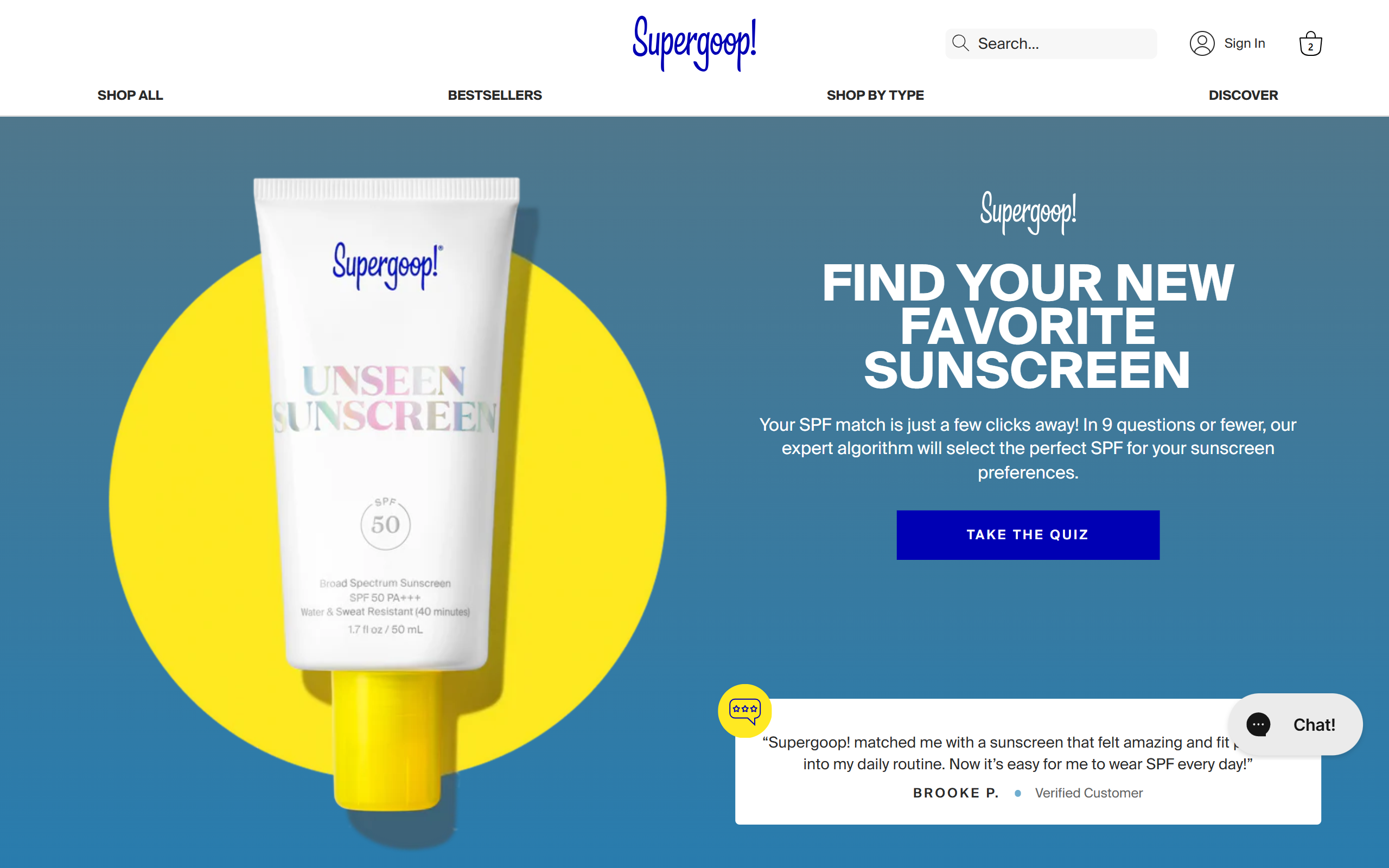
Take the Supergoop! quiz to discover your perfect sunscreen
For a deeper understanding, you can explore our full guide on eCommerce gamification.
2. Understanding about discounts
Traditional discounts are a simple pricing strategy where businesses lower the cost of a product or service to encourage purchases. The reduction can be a percentage, a fixed amount or a deal like "buy one, get one free."
They are often used to attract customers quickly, move inventory, or promote specific products. For shoppers, discounts create immediate value, making buying decisions easier and faster.
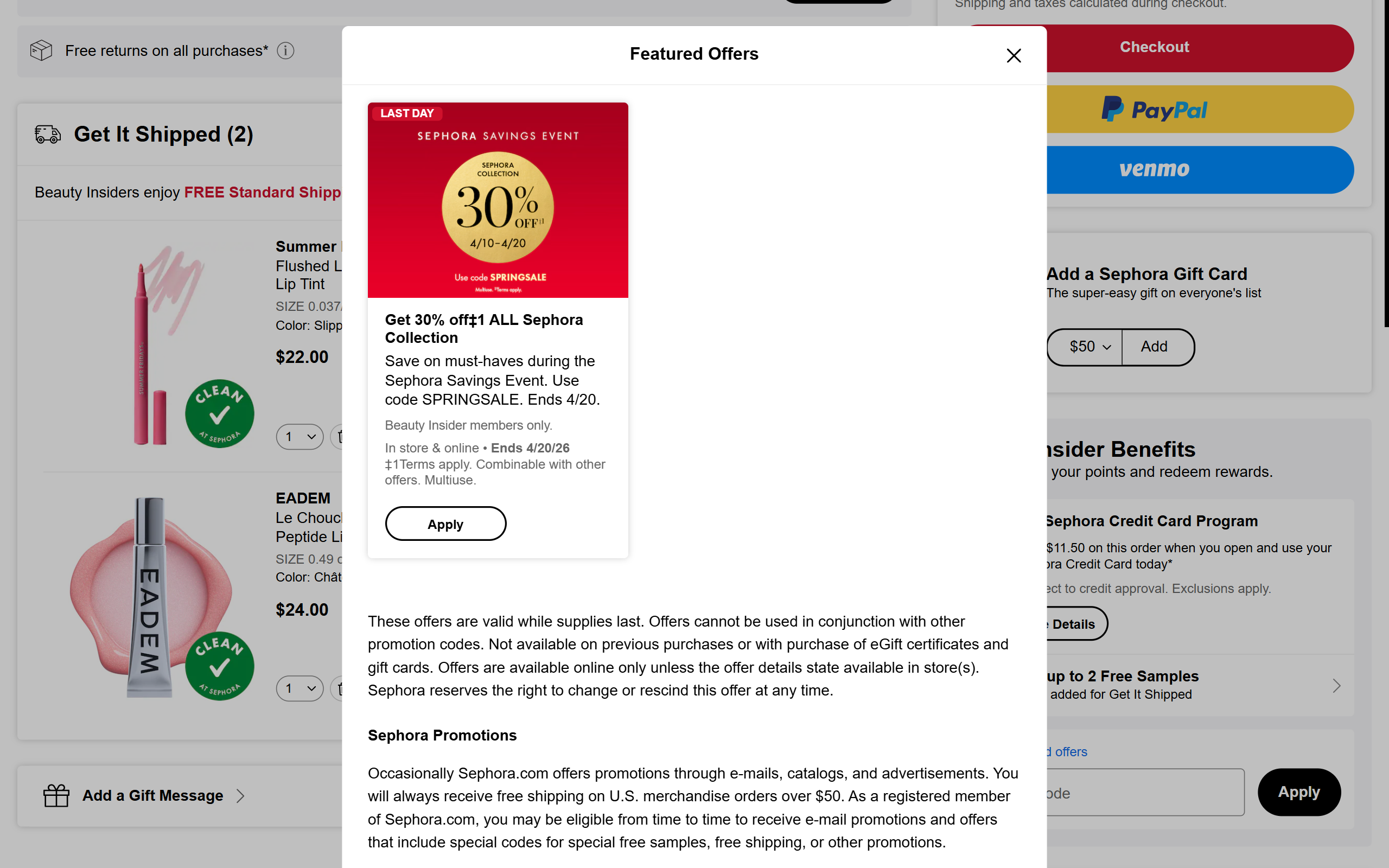
You can apply Sephora promotions right in your shopping cart
- Percentage-based discounts: Offer a percentage off the original price, such as "25% off your total order."
- Fixed-amount discounts: Reduce a specific amount, like "Save $10 on your next purchase."
- Early bird discounts: Reward shoppers who purchase early, often for pre-orders or limited releases.
- Bundle discounts: Motivate shoppers to buy more by giving a better deal on product bundles.
- Loyalty discounts: Recognize loyal buyers with exclusive offers.
3. Gamified rewards vs Price discounts: What sets them apart?
3.1 Quick comparison
Discounts have been a common way to drive sales for a long time. Lower prices often push purchasers to buy quickly and without hesitation.
Gamification takes a different approach. It adds progress, interaction, and small rewards into the shopping journey. Instead of focusing only on price, it focuses on experience.
Both methods influence buying decisions, but in very different ways. The table below points to the key differences between gamified incentives and promotional discounts:
3.2 Conversion timing
With gamification strategies, the purchase usually happens after a short journey. Users join with small interactions like quizzes, progress bars, simple challenges. Each step feels easy and engaging, which builds interest in the long run. Instead of pushing for a quick decision, gamification focuses on participation first.
As customers move forward, they begin to understand the products better. When shoppers unlock a reward or complete a step, the experience becomes more meaningful. The decision feels natural because it grows from interaction, not pressure.
Promotional offers work in a more direct way. A lower price reduces hesitation right away. Buyers quickly see the value and understand what they gain. The process feels simple, with little effort needed to decide.
Discounts also create a strong sense of savings. Even without calculating the exact amount, customers feel they are getting a good deal. Limited-time offers will push them to act faster instead of delaying.
3.3 Engagement
Game-based rewards increase involvement by making the shopping experience more dynamic and enjoyable. Rather than passively browsing, shoppers become active participants throughout the journey. Gamified experiences can raise customer engagement levels by up to 40%.
With incentives included, purchasers feel they win the rewards. When people enjoy the journey through your store, a strong bond between the shopper and the brand will be created.
Price reductions drive quick attention, but limited on-site activity. Buyers notice the deal, complete the transaction, and move on. There is little reason to stay or explore further. The experience ends once the purchase is made.
Many brands see traffic increase during promotions, but that interest does not always turn into repeat behavior. Shoppers return for discounts, not for the experience or the brand itself.
As traditional discounts become more frequent, their impact weakens. Customers start to expect deals and wait for the next one instead of engaging regularly.
3.4 Impact over time
Gamification supports steady growth by encouraging shoppers to return and stay connected with the brand. Each interaction, such as earning points or unlocking rewards, gives users a reason to come back. These small moments feel recognized and strengthen long-term relationship.
Gradually, purchasers develop the habit of returning to continue progress, earn more rewards, and explore more products. Participated customers are more likely to buy again and spend more. A single transaction becomes a consistent relationship between the user and the store.
In contrast, sales discounts work best in the short term. They can quickly increase sales, attract new shoppers, and help move inventory. Many merchants use them to reach sales targets within a limited time.
The impact, however, is usually temporary. Sales rise during the promotion, then return to normal once it ends. As time goes on, the focus shifts toward price rather than the product itself.
3.5 Motivation
Gamified promotions drive decisions through fun, progress, and achievement. Interactive elements like points, rewards, and progress tracking make the experience more enjoyable. Clear goals and instant feedback give buyers a sense of movement and direction. Winning rewards can push customers to move forward and come back again. Repeated actions followed by rewards create a natural loop, keeping users connected to the site.
On the other hand, discount offers influence purchasers through savings and deals. A lower price makes the value seem clear and attractive. Displaying the original price next to the discounted one highlights the difference and increases the offer's appeal.
Urgency also plays a key role. Limited-time offers, low stock messages, and countdown timers encourage quicker actions to avoid missing out.
Moreover, words like "sale" and "deal" create excitement and a sense of reward. That feeling can push shoppers to buy faster, sometimes without much comparison.
4. Gamification vs Discount strategies: Which perform better?
- Conversion rate: how many visitors complete a purchase
- Average order value: how much each shopper spends per order
- Customer retention: how often buyers come back and buy again
- Cart abandonment: how many shoppers leave without completing checkout
By comparison, price discounts focus on immediate results. They are most suitable at the final stage of the journey, where shoppers are already close to buying. A lower price helps remove hesitation and close the sale more quickly. Discounts can boost short-term sales, but they often reduce profit margins.
5. When should Shopify merchants use gamified incentives or promotional discounts?
5.1 When gamification helps or hurts Shopify store performance
Understanding where gamified shopping experience adds value and where it can create friction leads to more effective use.
5.2 Best and worst use case for traditional discounts
Price reductions can be a useful tool for Shopify stores, but they perform best in the right situation.
6. Gamify discounts for the best cart experience
The cart stage is the most critical moment to guide decisions. Shoppers already show interest, but hesitation often appears at this point. They may question the total cost, wonder if the purchase is worth it, or simply delay the decision. Without a clear reason to continue, many shoppers leave the cart. Based on Baymard's latest research, 70.22% of carts are abandoned across eCommerce.
Shopping carts are where gamification and discounts bring the best results together with a clear role for each. Gamified rewards draw buyers in, while discount offers close the sale. When combined well, they create both interest and action.
6.1 How to mix them effectively
Instant-win mechanics
Spin wheels, scratch cards, and similar mini-games let purchasers unlock rewards in a fun way. The feeling of winning makes the discount more exciting and memorable. 51% of shoppers value a reward they earn more than one they simply receive, which increases the chance they will use it.
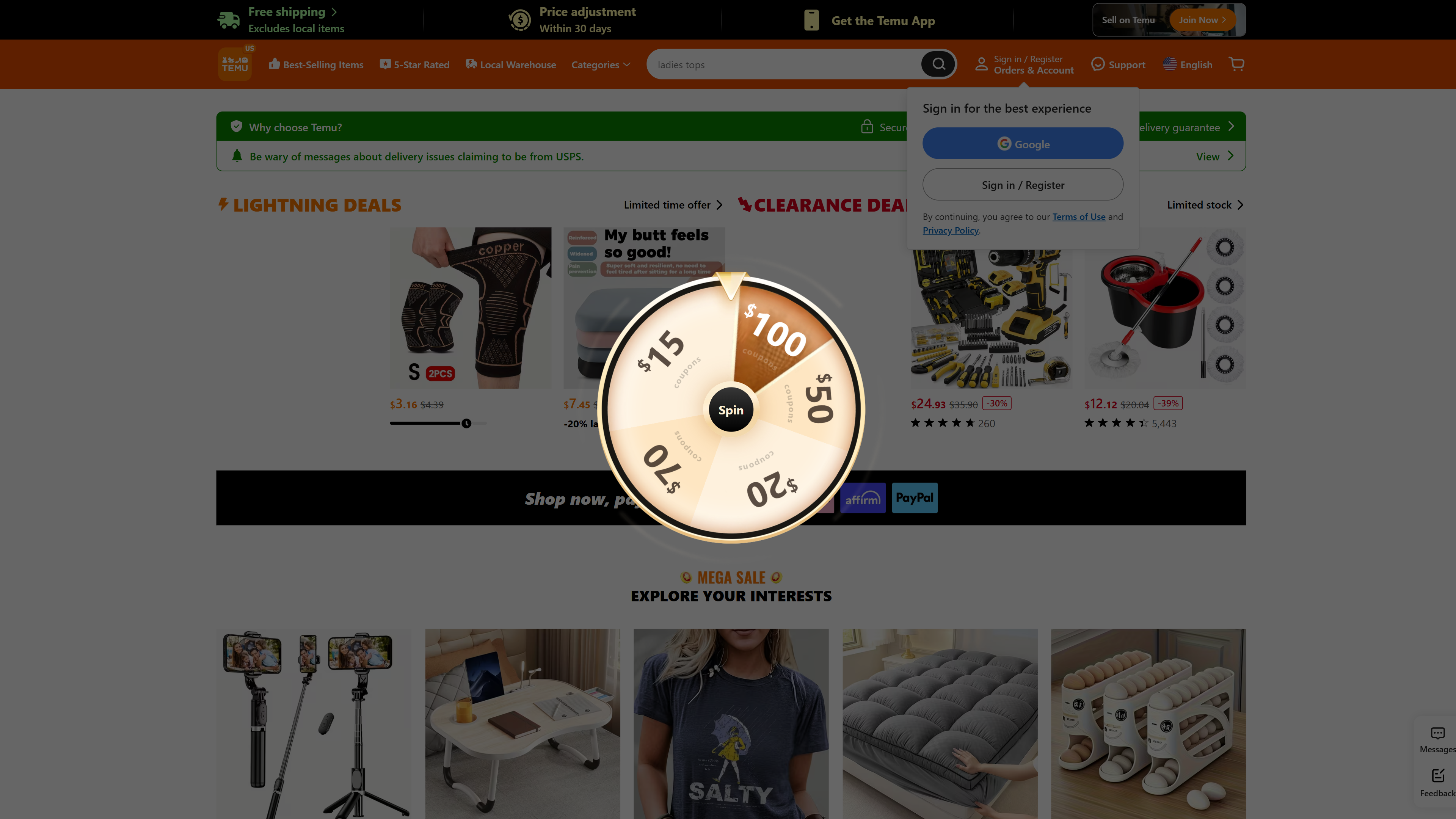
Spin to win discounts up to 100$
Progress-based rewards
A progress bar in the cart shows how close someone is to a benefit. As the bar fills, motivation grows. People naturally want to complete what they started, especially when the goal seems within reach.
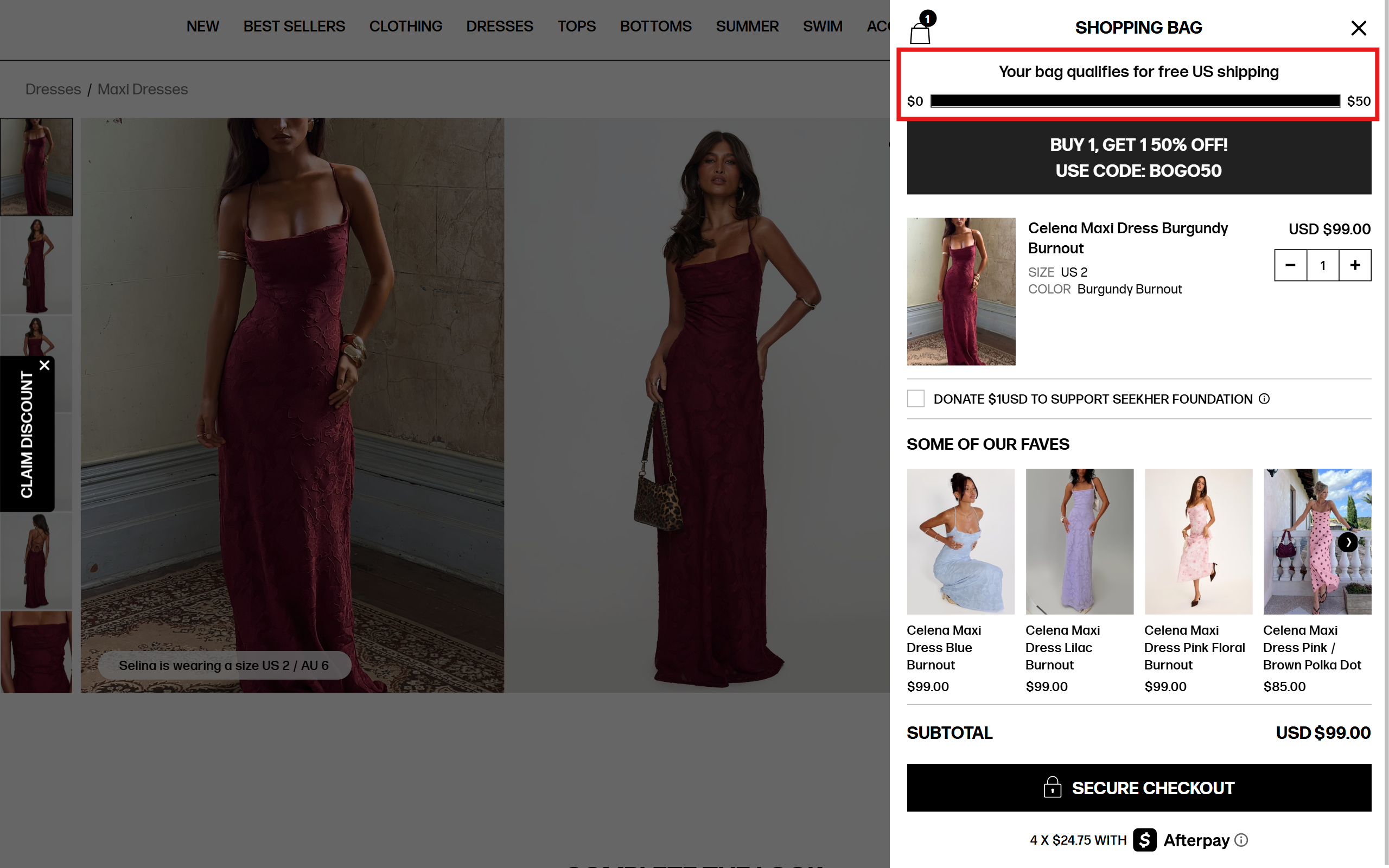
The progress bar will reflect how far you are from qualifying for free shipping
Milestone rewards
Break one large goal into smaller steps. Each step gives a small benefit and keeps the experience easier and more rewarding.
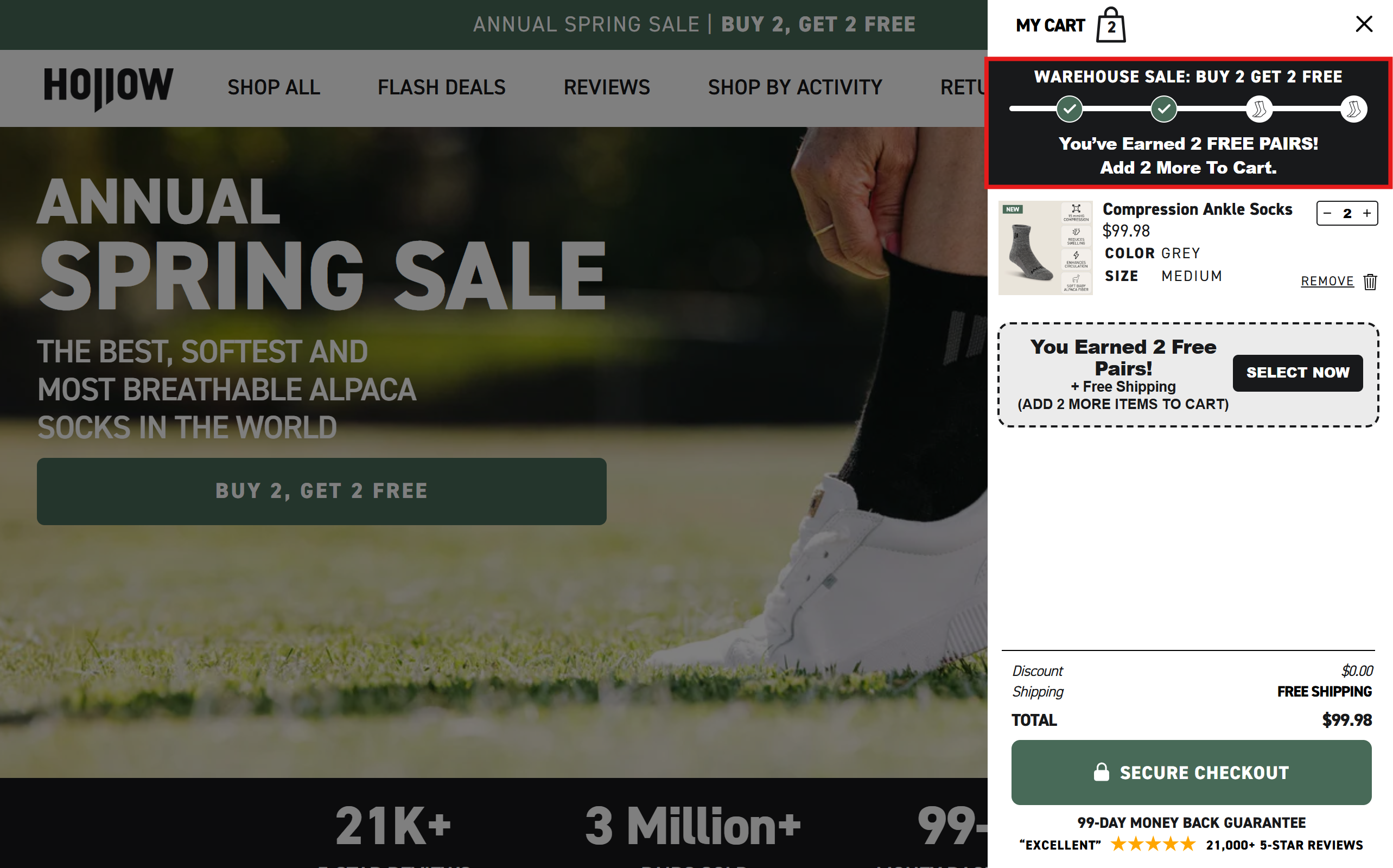
Add two more items to your cart to unlock the next milestone and earn 2 free pairs of socks
6.2 Best practices for gamified discounts in the cart
Use the right timing
Present gamified offers when customers already show intent. Avoid interrupting too early. Let shoppers review their items first, then introduce a reward that gently guides the final step.
Match rewards to intent
Not every buyer needs the same incentive. Shoppers close to checkout often respond well to small, quick rewards. Clear and achievable goals work better than large, distant ones. The reward should feel worth the effort, but still easy to reach.
Keep it simple and clear
The cart should stay easy to navigate. Too many elements can create confusion and slow down the decision. Clean design and short messages help shoppers stay focused.
Connect with other touchpoints
Cart experiences can link with email, loyalty programs, or previous interactions. A reward unlocked earlier can carry into the cart, creating a more connected and personal journey.
Measure and improve over time
Look beyond immediate revenue. Track how gamified carts affect completion rate, order value, and return visits. Strong results often demonstrate in both short-term conversions and long-term behavior.
Conclusion
The decision between gamification and discount strategies comes down to your objectives and customer behavior. Price incentives can speed up buying decisions, while interactive experiences support lasting customer relationships.
Besides, many stores benefit from combining both. They design the journey carefully by using different approaches to support both conversion and retention.
Frequently asked questions
1. Why do gamified offers attract more engagement than traditional discounts?
Gamified offers create interaction, progress, and small rewards that make shopping more enjoyable. Instead of only focusing on price, customers stay involved longer and feel more connected to the experience. This naturally increases attention and purchase intention compared to passive discount offers.
2. Can you combine gamification and discounts in one strategy?
Yes, both approaches can work well together when used at the right stage of the journey. Many stores combine both in the cart to improve conversion and overall performance.
3. Can too many price discounts hurt your brand value?
Yes. Frequent discounts can reduce perceived value and train customers to wait for sales. Over the years, shoppers may focus more on price than the product itself. This can weaken margins and make it harder to maintain long-term brand strength.
4. Are gamified experiences annoying for shoppers?
Gamified experiences perform well when they are simple, relevant, and well-timed. When overused or placed at the wrong moment, they can seem distracting.